
Biohacking & HealthSpan

Dr. Eric Berg on How to Buy and Cook Eggs For Maximum Nutrition
Dr. Eric Berg is a chiropractor who specialises in weight loss through nutritional and natural methods and is a world-renowned ketogenic diet expert, published writer, and author of the bestselling book “The 7 Principles of Fat Burning”.
In this post, he gives practical recommendations on what to look for when buying eggs, as well as the healthiest way to cook and eat eggs for maximum benefits.
Read moreabout Dr. Eric Berg on How to Buy and Cook Eggs For Maximum Nutrition

The Effect of Carotenoids in Eggs
In a population of 786 Australian elders, higher concentrations of carotenoids (lutein and zeaxanthin) and vitamin C in plasma were associated with longer Telomere Length, which is positively correlated with longevity.
Lutein and zeaxanthin are carotenoids found in the egg yolks that concentrate mostly in the human eyes retina and macula, and to a lesser extent, in the liver and brain. Both of these compounds can help reduce the risk of age-related macular degeneration as well as cataracts.

Dr. Eric Berg on Eggs and Nutrition
In this post, Dr. Berg describes the numerous health benefits of eating eggs: One of the key reasons that I consume eggs on a regular basis is not only do I enjoy it, but eggs have the greatest anabolic effect out of all the food options around. Anabolic means that it's contributing to growth. Building muscle protein.
48% of egg actually turns into your body tissue and that's pretty much the highest, not counting breast milk. Moreover, cholesterol and fat in the yolk actually help in the anabolic effect.
Egg whites have really low amounts of essential fatty acids, while egg yolk contains most of the nutrition.


Keto Omelette with Bacon and Broccoli

Chocolate Pancakes with Mascarpone
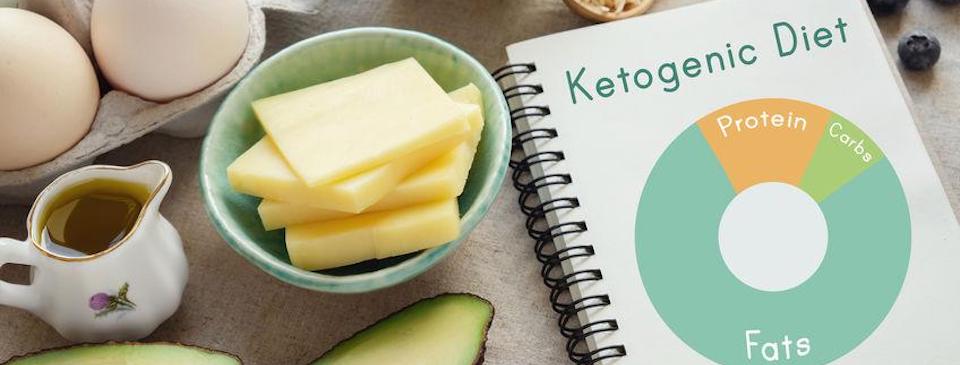
The human body generates energy by transforming glucose produced by breaking down carbohydrates. However, when glucose is lacking during periods of low food intake, diet, starvation, intense exercise or conditions like hypoglycemia, the body begins to break down other alternative sources like ketones to generate energy.
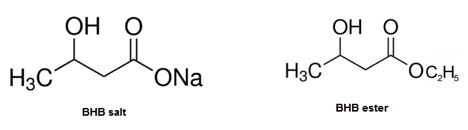
This post aims to give a general overview of exogenous ketones and explore some of their potential benefits.

Ketosis describes a metabolic state where the level of ketones in your bloodstream elevate and the body burns fat for energy. Ketosis may sound like a strange and exotic phenomenon, but it is quite natural - humans evolved to use fat as energy. Nowadays this seems weird because we are over-consumers of carbohydrate and live sedentary lifestyles. A state in which we are never short of a carb refuel.

Intermittent Fasting: An Overview
Our modern lifestyles are slowly killing us: by overeating and being excessively sedentary, we might have brought upon ourselves an epidemic in metabolic diseases. Our body is not optimized for these modern ways of life and we can’t change that overnight, nor even in the course of a few generations. Evolution is slow.
Throughout evolution, the survival of humans may have greatly depended on the constraints of needing to acquire food. Food deprivation was most likely one of the biggest energetic and evolutionary challenges to our bodies - it is likely that many of our ancestors could only acquire food during daytime, having to fast for long hours; it is also likely that long periods of food scarcity were common. So, those who were able to endure in these conditions ended up being favoured by evolution.
The fact that our bodies store fat as a backup long-term, high-energy source, and that we can survive relying solely on it for a fair amount of time, is an indication of how human evolution prepared us (and maybe even optimized us) to go through periods of fasting.