Biohacking & HealthSpan

Tips for Better Sleep, Akkermansia, 19 Ways to Lower the Risk of Dementia
In this post:
1. Shawn Stevenson's top tips on how to improve your sleep.
2. 19 evidence-based ways to lower the risk of dementia.
3. How to boost your Akkermansia.
4. NMN supplementation may help treat age-related eye disorders.
Read moreabout Tips for Better Sleep, Akkermansia, 19 Ways to Lower the Risk of Dementia

In this post learn about:
- The secrets to staying sharp in extreme longevity from the world's oldest person.
- How do ketones work?
- The science of obesity and why low-calorie diets fail.
- What is metabolic flexibility and how metabolic inflexibility can affect your health.
- The first FDA-approved eye drops designed to replace reading glasses.

The Effect of Carotenoids in Eggs on Eye Health
In a population of 786 Australian elders, higher concentrations of carotenoids (lutein and zeaxanthin) and vitamin C in plasma were associated with longer Telomere Length, which is positively correlated with longevity.
Lutein and zeaxanthin are carotenoids found in the egg yolks that concentrate mostly in the human eyes retina and macula, and to a lesser extent, in the liver and brain. Both of these compounds can help reduce the risk of age-related macular degeneration as well as cataracts.
Read moreabout The Effect of Carotenoids in Eggs on Eye Health
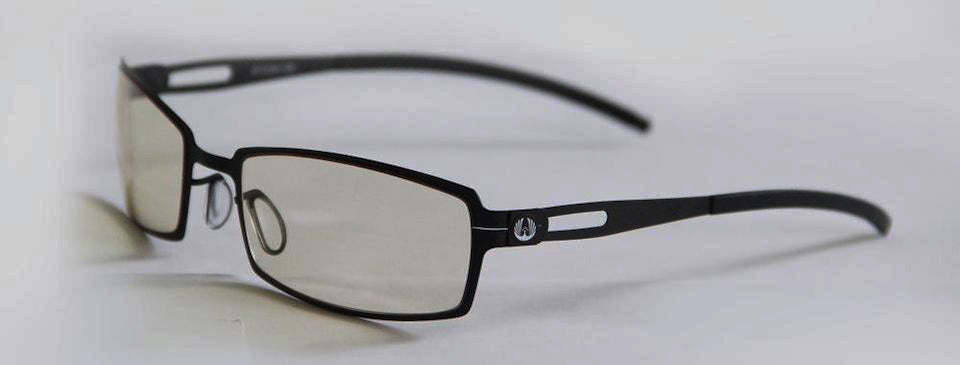
Artificial Blue Light, UV and Eye Strain from Computer Screens
Read moreabout Artificial Blue Light, UV and Eye Strain from Computer Screens