
Biohacking & HealthSpan

How Diet Interacts with Neurophysiology
This article attempts to explain how external molecules interact with our brain physiology in such profound ways as to change how we process information, the decisions we make, and the feelings inside us. If the explanations seem vague or the examples too circumspect, it is because they are. The best we can say as of now is that drugs and diets change brain neurochemistry. Their mechanisms and the full extent of its effects, however, remain largely obscure.
The Brain Soup: An Introduction to Cellular Signalling
“Even though it is common knowledge, it never ceases to amaze me that all the richness of our mental life - all our feelings, our emotions, our thoughts, our ambitions, our love lives, our religious sentiments and even what each of us regards as his or her own intimate private self - is simply the activity of these little specks of jelly in our heads, in our brains. There is nothing else.” - V.S. Ramachandran
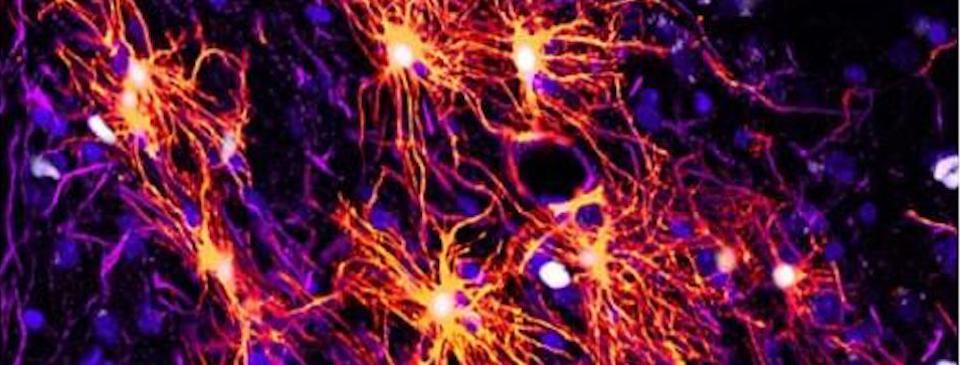
Brain cells. Source: University of Rochester
Read moreabout The Brain Soup: An Introduction to Cellular Signalling
The Brain Soup: Cellular Signalling and Neuromodulators
Some organisms are nothing more than one cell. These tend to be microscopic like bacteria, have short lives and a very restricted repertoire of behaviors. In comparison, multicellular organisms can reach thousands of mets (honey fungus), live virtually forever, (lobsters) and pilot space shuttles (humans). To achieve this complexity, they have to overcome one particularly daunting task: coordinating all their cells.
[Source: Nicholas Wright]
Read moreabout The Brain Soup: Cellular Signalling and Neuromodulators

In the last article, I explained what flow is and why it can be such a positive state. In this second part, I will summarise the best practical techniques to promote it, drawn from the works of psychology theory and research. These include a myriad of ways in which to structure the external environment as well as one’s inner world.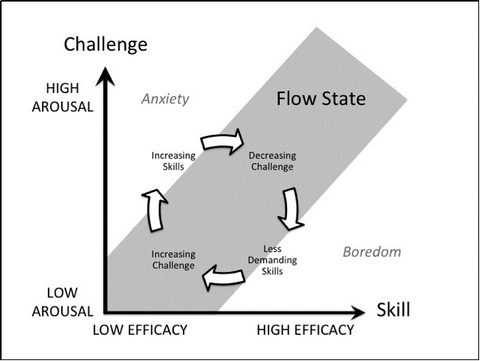

More than forty years ago Mihaly Csikszentmihalyi posed a simple question: “How does it feel to master something?” To figure this out, he interviewed hundreds of people who had demonstrated excellence in their chosen field. They included rock climbers, painters, chess players, basketball players, athletes and surgeons.
The short answer to his question was: joy.
“A strong relaxation and calmness comes over me. I have no worries of failure. What a powerful and warm feeling it is! I want to expand, to hug the world. I feel enormous power to effect something of grace and beauty.” - professional dancer describing a sense of control experienced while dancing.