Biohacking & HealthSpan
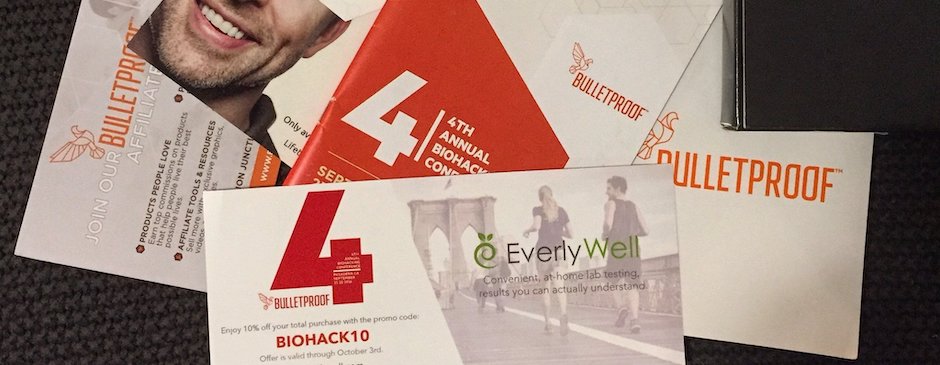
Bulletproof Conference Recap (and why you should go in 2021)
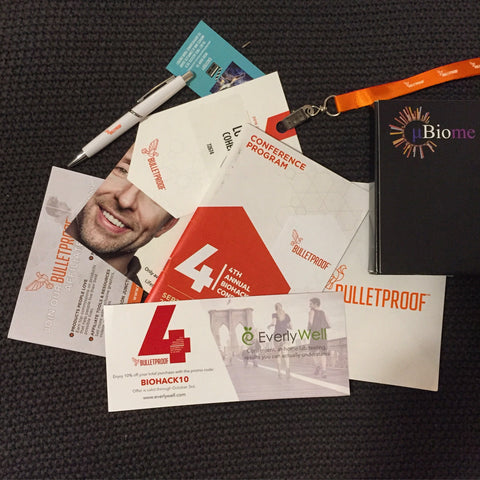
2500 people from around the world gathered to attend the 4th Annual Bulletproof Biohacking Conference in Pasadena, a sunny corner of LA. Just walking around the city, it was clear that the Bulletproof® tribe was in town. Groups of attendees would hang out near the conference center without shirts on to soak up the sun before heading back inside and putting their blue blockers on to deal with the artificial light.
Read moreabout Bulletproof Conference Recap (and why you should go in 2021)
Bulletproof from a Nurse's Perspective Part 10
Read moreabout Bulletproof from a Nurse's Perspective Part 10

An Adventurous Mindset For Growth and Productivity

In conservation, they talk about leaving a smaller footprint.
In life, for our relationships, and for our legacy we really need to be leaving a larger footprint! A footprint of amazing experiences, learning, exploration, education, culture, personal challenge and growth.
Anais Nin said, “Life shrinks or expands in proportion to one’s courage.”
I love that quote, it’s spot on. I’m not talking about jumping out of the trenches facing gunfire courage, or standing firm against a marauding tiger courage, I’m talking about having the courage to calculate risks and then take them. To control as much as you can in your life, rather than have your reaction to a situation control you.
Read moreabout An Adventurous Mindset For Growth and Productivity
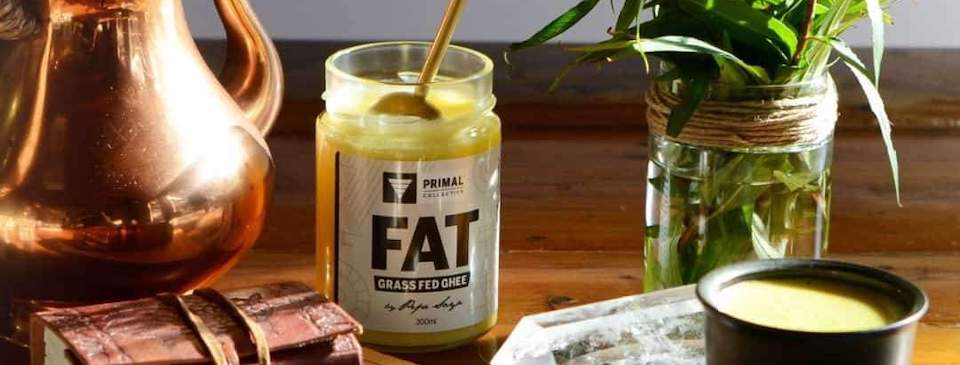
Ghee and its Advantages vs Butter
What is ghee?
Ghee is a class of clarified butter that is caramelized to give it a unique nutty flavour. Although the term clarified butter is often used interchangeably with ghee, ghee and clarified butter are not the same:
Clarified butter is made by heating unsalted butter on gentle, low heat until all the water in the butter vaporizes. After all the water disappears, milk solids comprising of whey protein and casein rise to the top and are skimmed off. This melted butter, that is then removed from the heat and strained, is clarified butter.
Ghee is made by continuing to heat the clarified butter until the color of the liquid changes from light yellow to deep gold due to the process of caramelisation. At this point, any remaining milk solids and other impurities will clump and sink to the bottom of the pan. The ghee is then removed from the heat and strained before storing.
Brown butter is another class of clarified butter that is cooked even longer than ghee and is unstrained.
Traditionally, ghee is made with unsalted butter that is churned from cultured cream. Cultured butter is made from cream that has been inoculated with strains of lactic acid bacteria. Ghee can also be made with regular unsalted butter, called sweet cream butter, that is available in stores. Ghee is normally not made from salted butter, but flavoured infusions are increasingly common. Ghee made from butter from grass-fed cows has a superior nutritional profile:
- Favourable omega 3:6 ratio
- Higher levels of Vitamins A,K, E
- CLAs

Chronic Pain: The Challenge of Unlearning a Bad Habit
Imagine you sign up to a university experiment and are subjected to the next two protocols:
- You must immerse your hand in very cold water (14ºC) for a duration of sixty seconds.
- You must immerse your hand in very cold water (14ºC) for a duration of sixty seconds, followed by thirty seconds more, during which the water temperature is gradually raised to a point where it is still painfully cold, but noticeably less (15ºC).
After you tried both, the researcher asks you to repeat one of the two, at your choice. Which one would you chose?
If you are anything like the participants from the original 1993 experience, there is a 69% chance that you would choose the second option (after which you would be informed that there is no need to actually repeat it).
Read moreabout Chronic Pain: The Challenge of Unlearning a Bad Habit
Bulletproof from a Nurse's Perspective Part 9
Hello to everyone in Optimoz Land! Nurse Extraordinaire here!
Well I have done it! FINALLY completed and passed all my modules in the Diploma of Bioresonance and Energy Medicine. I have actually purchased the machine called “The Professional” and am now saving to get to Athens to do a practicum with a Russian doctor who is an expert in this field….then look out Australia! It’s all about energy people…my mission is to keep you OUT of hospital (except for emergencies!)
Just read an amazing book called Earthing…I would highly recommend this book for anyone who wears synthetic shoes, works in offices, sleeps in a beds off the ground, lives in a high rise apartment or multi-story building, uses a computer, ipad, iphone etc….basically the whole lot of us! I have mentioned energy and electrons before. We all consume our awesome high fat, low carb (brain octane as well for me!) diet to gain energy….it’s all about the electrons from that food that “charges” us so to speak. Believe it or not, we human beings are just like batteries. We need to “charge” ourselves with electrons…because so much of today’s lifestyle has taken us away from the best source of electrons on this planet…the earth. The ground. Grass, sand, dirt.
Read moreabout Bulletproof from a Nurse's Perspective Part 9
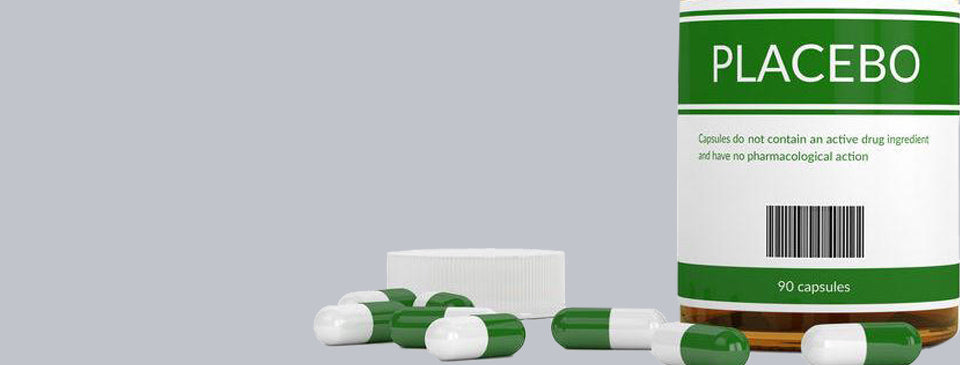
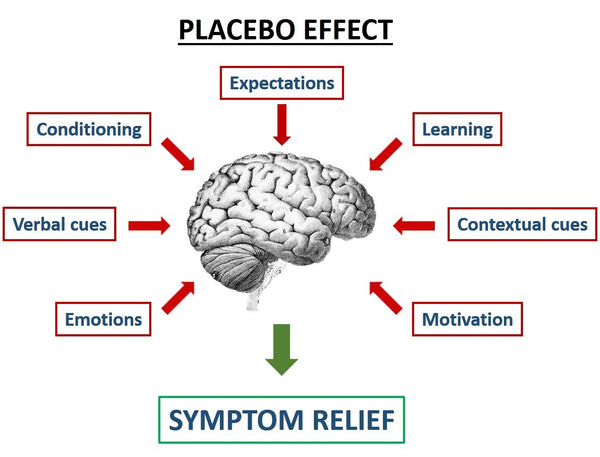
A placebo is a fake treatment, a medical intervention that does not contain any physically or pharmacologically active substances with a direct ability to induce therapeutic effects. Yet, its effect is real. When you’re told that something is going to produce a specific effect on you, even though it does not really have the ability to do so, it is highly likely that you will feel it. And that is the reason why clinical trials use placebos as a control to accurately determine the efficacy of a drug.
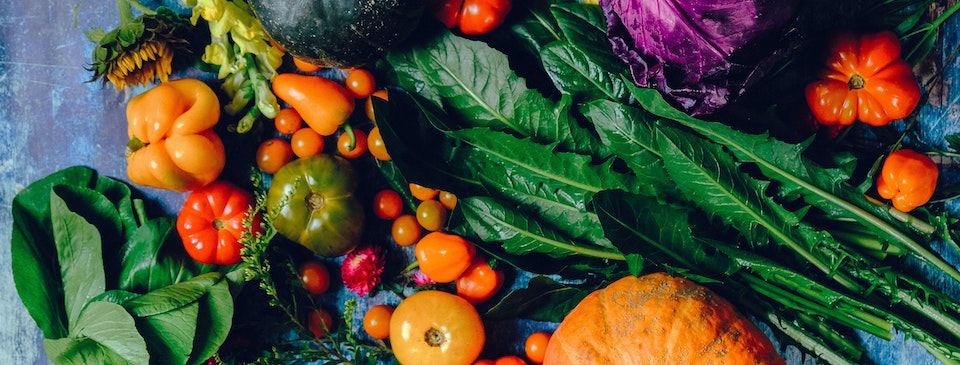
Vegan and Vegetarian Dieters: Are they missing out on meat?
With more people around the world turning to vegetarian and vegan diets, it’s important to understand both the health risks and benefits of following these diets (12). We appreciate the ethics. However, abstaining from meat and to a lesser extent, dairy, is a cause for concern because people may not be replacing vitamins and minerals that animal foods provide. Modern society have embraced animals as our primary source of vitamin D, vitamin B12, omega-3 essential fatty acids, protein and bioavailable iron, Research suggests vegans and vegetarians are at an increased risk for these deficiencies (1). Let’s take a look at each of these in detail to see if there’s a real risk and more importantly, solutions:
Vitamin D
Vitamin D is important for immune function, muscle contractions, and bone health. Vitamin D is primarily found in fish oil with smaller amounts in egg yolk, beef liver and cheese (3). We also synthesise vitamin D from sun exposure, but this depends on the amount of skin exposed, the time of day, where you are living and skin tone. For example, it only takes 15 minutes of sun exposure for very fair to medium fair skin tones to get their recommended daily dose of vitamin D, whereas medium to dark skin tones may need up to 2 hours of sun exposure (14).
Many of us cannot achieve this daily recommendation from the sun alone and must consume dietary sources of vitamin D or supplements (2). Vegans are at a greater risk for deficiency and should try to consume mushrooms treated with ultraviolet light and fortified juice, almond, and rice milk (15). Vitamin D supplements come in D2 or D3 forms. D3 supplements are off limits for vegans because they are made from fish oil or from lanolin, which is made from sheep’s wool. D2 supplements are made from yeast or plants, and is the form found in most vegan and vegetarian supplements. However, research suggests D3 supplements may be more efficacious than D2 for increasing vitamin D levels (17). Luckily, scientists found a way to make a vitamin D3 supplement from a plant source called lichen, which is now available for purchase (16).
Read moreabout Vegan and Vegetarian Dieters: Are they missing out on meat?
Bulletproof from a Nurses Perspective Part 8
Hello to everyone in OptimOZ Bulletproof Land! Nurse Extraordinaire here! Long time no write. Nearly finished my Diploma in Bioresonance & Energy medicine which has blown my mind and made me realise how little I truly learned about the body in my nurse training all those years ago. You know learning is a life long thing. It never stops. And the more I learn, the more I realise I want to know. It’s all about energy people! We all are energy beings. It’s way below cellular level. And the very first place it must start is ultimately with how we treat our physical body. This affects us at a subatomic particle level.