This is Biohacking Weekly — a curated news roundup designed to help you increase your longevity, improve healthspan and access OptimOZ product picks.
IN THIS EDITION
1. Caffeine’s surprising rhythm fix
2. The medicine you can look at
3. Why awareness won’t heal your gut
4. Does melatonin really harm your heart?
5. Aging, NAD+ and longevity pathways
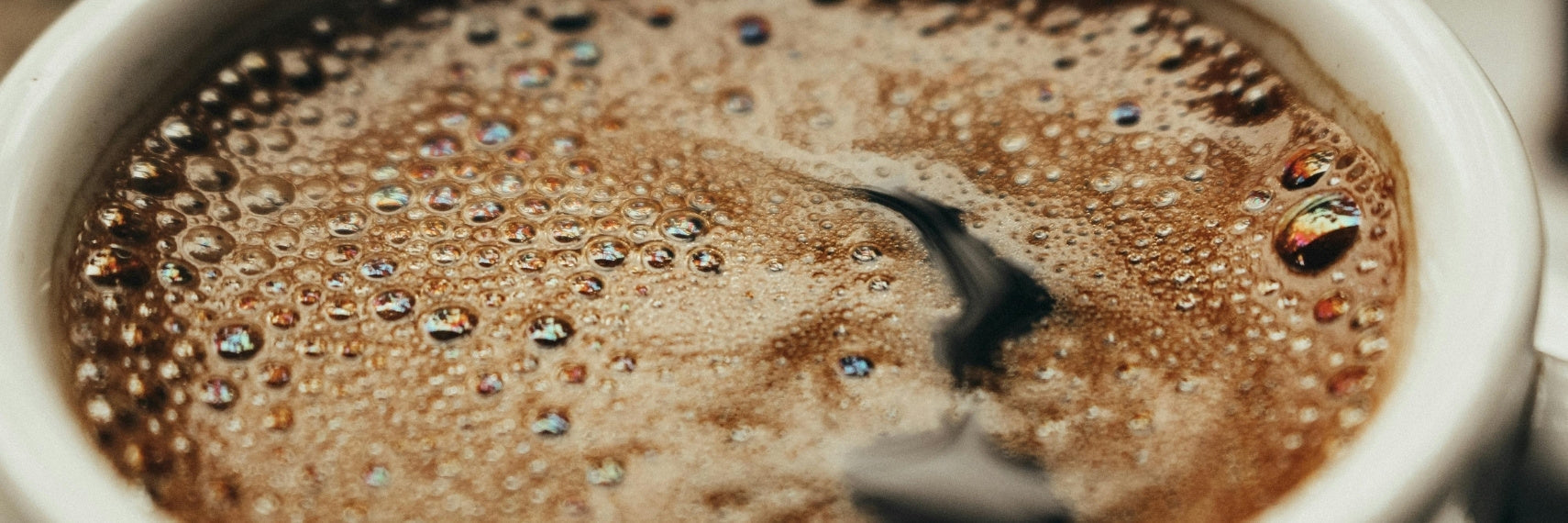
Coffee Found to Protect Against Heart Irregularities
In a world-first clinical trial, researchers from Adelaide and University of California (San Francisco) found coffee drinkers had a 39% lower risk of irregular heartbeat than those avoiding caffeine. Over six months, 200 adults who drank one cup daily showed lower stroke and heart-failure risk.
Scientists think that the effect may come from coffee’s anti-inflammatory and blood pressure–lowering properties, as well as increased physical activity. These results suggest your morning brew might be a surprisingly safe and heart-friendly habit.
Beyond heart health, coffee can also enhance focus and mental clarity — if the beans and compounds are right.
👉 Read the full article on New Atlas
How Original Artworks Act Like Natural Medicine
Standing before a Van Gogh or Manet might do more than lift your spirits — it could actually calm your body. Researchers at King’s College London found that people who viewed original masterpieces in a gallery showed lower stress and inflammation levels than those looking at reproductions in a lab. It’s fresh proof that art doesn’t just inspire — it heals.
Other studies link creative engagement to a lower risk of heart disease, stronger immunity, and even reduced healthcare costs thanks to improved well-being and productivity. In a world of constant burnout, a quiet gallery visit might just be one of the most beautiful biohacks.
👉 Watch the full article on The Guardian
The Gut–Brain Gap: Why We Know More Than We Practice
A new study of 51 adults uncovered a striking knowledge–behavior gap in gut health. Most people understood that diet and stress shape digestion — yet their habits told another story. Nearly 70% ate just one or two meals a day, only 7% consumed probiotic foods, and over half reported gut problems.
Researchers say this mismatch between awareness and action could be disrupting the gut–brain axis. Stress, poor sleep, and ultra-processed diets don’t just affect the mind — they reshape the microbiome itself.
If you want a frictionless starting point to make the real change, here’s a calming meal + supplement guide designed to reduce stress, support digestion, and nurture a balanced microbiome.
Why Melatonin Probably Isn’t Hurting Your Heart
A recent The New York Times piece discusses research linking melatonin to a 90% higher heart failure risk that recently made headlines, but experts warn it shows association, not proof. Researchers reviewed 130,000 insomnia patients, and underlying sleep issues may explain the risk, not the supplement itself.
Specialists note melatonin isn’t a strong insomnia fix or entirely risk-free, but there’s no clear evidence it harms the heart. Until controlled trials confirm any danger, experts advise focusing on sleep hygiene and behavioral therapies rather than fearing your bedtime supplement.
Dr. David Sinclair on Turning Back the Body’s Clock
In a recent Huberman Lab episode, Dr. David Sinclair explains that aging happens when cells lose “epigenetic information” — essentially forgetting which genes to switch on or off. His research shows that fasting and lower insulin levels activate longevity genes, while occasional 2–3-day fasts trigger deep cellular cleanup.
He also highlights the value of regular exercise and muscle maintenance, along with supporting NAD+ levels through NMN or similar precursors to help the body repair itself and stay younger for longer.
Share:
Biohacking Weekly 53: The Food That Turns On Your Body’s “Self-Cleaning Mode”
Biohacking Weekly 55: Why MCT Oil Beats Coconut Oil